
5 Simple Recipes for Optimal Gut Health
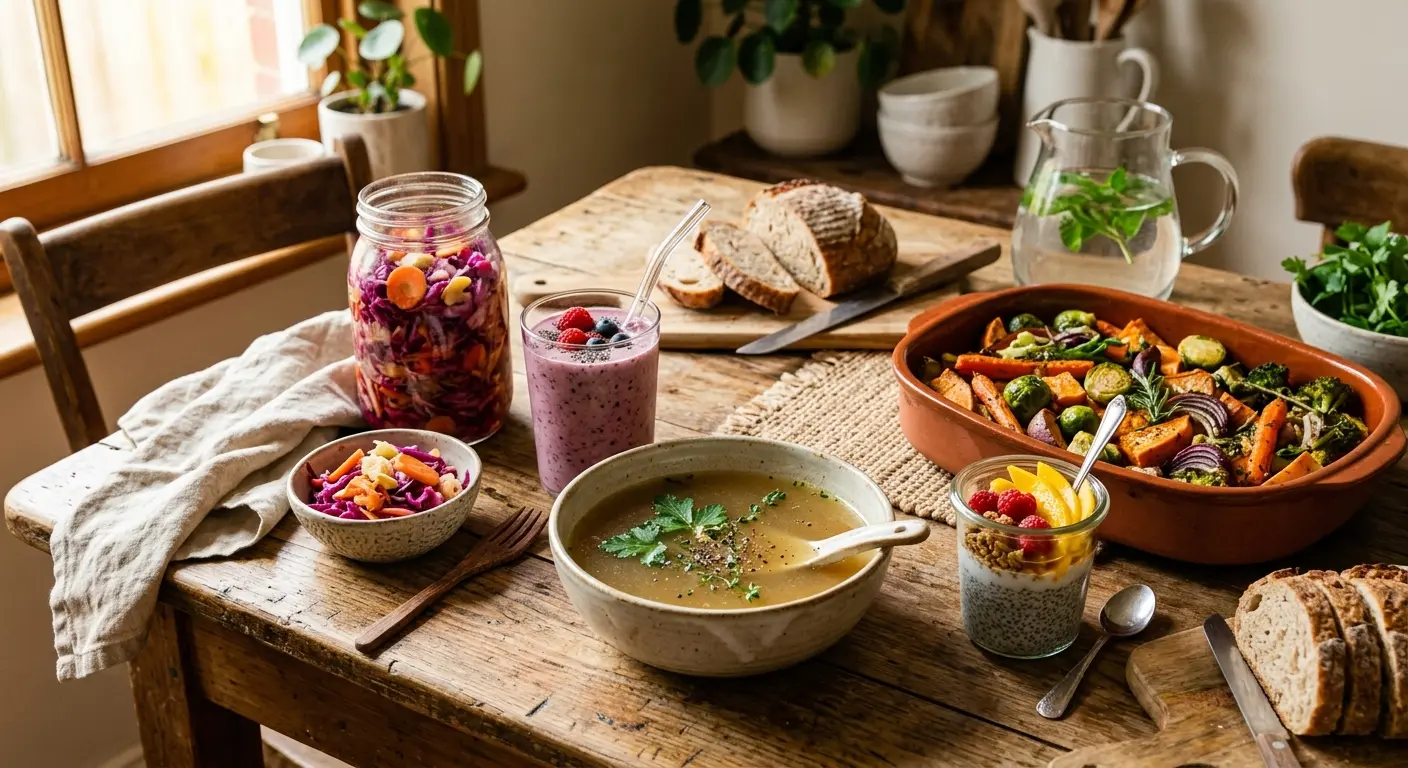
“All disease begins in the gut.” — often attributed to Hippocrates
Modern science confirms what ancient healers knew: a healthy gut is the foundation of overall wellness. Your gastrointestinal tract is home to trillions of microorganisms—collectively known as the gut microbiome—that influence everything from digestion and immunity to mood, weight, and even chronic disease risk.
The good news? You can actively shape your gut microbiome through the foods you eat. A diet rich in fiber, fermented foods, and polyphenols promotes a diverse and resilient microbial community. The bad news? The standard Western diet—high in processed foods, sugar, and unhealthy fats—can disrupt this delicate ecosystem.
Fortunately, healing your gut doesn't require expensive supplements or complicated protocols. It starts with simple, delicious, whole-food recipes that you can make in your own kitchen. Here are 5 simple recipes that are scientifically proven to support gut health—and they taste amazing too.
Why Gut Health Matters
Before we dive into the recipes, let's recap why your gut deserves attention:
- Digestion & nutrient absorption: A healthy microbiome breaks down food, synthesizes vitamins (like B12 and K), and absorbs minerals.
- Immune function: About 70% of your immune system resides in your gut. A balanced microbiome helps defend against pathogens.
- Mental health: The gut-brain axis links your digestive tract to your brain, influencing mood, anxiety, and even cognitive function.
- Inflammation control: Beneficial bacteria produce short-chain fatty acids (SCFAs) that reduce systemic inflammation.
- Weight & metabolism: Gut microbes affect how you store fat and regulate hunger hormones.
The science: Research published in Nature (2024) shows that a diverse gut microbiome is associated with better metabolic health and lower risk of chronic diseases. The American Gastroenterological Association recommends a diet rich in fiber and fermented foods to support digestive health.
Recipe 1: Probiotic-Packed Coconut Kefir Smoothie
Kefir is a fermented dairy (or coconut) drink that contains up to 60 different strains of beneficial bacteria and yeasts—far more than yogurt. This smoothie combines kefir with prebiotic-rich fruits and seeds for a synergistic gut boost.
Ingredients:
- 1 cup plain coconut kefir (or dairy kefir)
- 1 frozen banana
- ½ cup frozen mixed berries (blueberries, raspberries)
- 1 tbsp ground flaxseed (prebiotic fiber)
- 1 tbsp chia seeds (fiber + omega-3s)
- ½ tsp cinnamon (anti-inflammatory)
- Optional: 1 tsp honey or maple syrup
Instructions:
- Combine all ingredients in a blender.
- Blend until smooth and creamy.
- Pour into a glass and enjoy immediately.
Why it works: Kefir provides live probiotics; berries and flaxseed supply soluble fiber to feed those probiotics; chia seeds add extra bulk for regularity. Fiber: ~12g per serving.
Recipe 2: Quick 15-Minute Sauerkraut
Sauerkraut is one of the oldest fermented foods—and one of the easiest to make at home. It's rich in Lactobacillus bacteria, which support digestion and immunity. No special equipment needed.
Ingredients:
- 1 medium head of green cabbage (about 2 lbs)
- 1½ tbsp sea salt (non-iodized)
- Optional: 1 tsp caraway seeds, juniper berries, or grated apple for flavor
Instructions:
- Remove outer leaves and reserve one large leaf. Shred cabbage finely using a knife or mandoline.
- Place shredded cabbage in a large bowl. Sprinkle with salt and massage firmly with clean hands for 5–10 minutes until cabbage releases its juices and becomes limp.
- Pack the cabbage and its liquid tightly into a clean glass jar, pressing down so liquid covers the cabbage. Place the reserved leaf on top to keep submerged.
- Cover the jar with a cloth or a loose lid (to allow gases to escape). Let ferment at room temperature (65–72°F) for 5–7 days, checking daily to push cabbage below brine.
- When it tastes pleasantly sour, transfer to the refrigerator. It will keep for months.
Why it works: Fermentation produces lactic acid, which preserves the cabbage and creates a rich array of probiotics. Start with a small batch—this recipe yields about 1 quart.
Recipe 3: Golden Turmeric & Ginger Bone Broth
Bone broth is rich in collagen, gelatin, and amino acids that support the gut lining. When combined with turmeric and ginger—both powerful anti-inflammatory spices—it becomes a healing elixir for the digestive tract.
Ingredients:
- 2 lbs mixed bones (chicken, beef, or fish—preferably grass-fed/ organic)
- 2 tbsp apple cider vinegar (helps extract minerals)
- 1 large onion, roughly chopped
- 2 carrots, chopped
- 2 celery stalks, chopped
- 2-inch piece fresh ginger, sliced
- 2-inch piece fresh turmeric (or 1 tbsp ground turmeric)
- 4 cloves garlic, smashed
- 10 cups filtered water
- 1 tsp black pepper (enhances turmeric absorption)
- Salt to taste
Instructions:
- Place bones in a large pot or slow cooker. Add vinegar and let sit for 30 minutes.
- Add all vegetables, ginger, turmeric, garlic, water, and pepper.
- Bring to a boil, then reduce to a low simmer. Skim off any foam that rises.
- Simmer for 12–24 hours (longer for more nutrients). Add water as needed to keep bones submerged.
- Strain the broth through a fine-mesh sieve. Discard solids. Season with salt.
- Cool and refrigerate. Use within 5 days or freeze for later.
Why it works: The collagen and gelatin help repair the intestinal lining, while turmeric and ginger reduce inflammation. The broth also provides minerals like calcium, magnesium, and phosphorus.
Recipe 4: Prebiotic Power Bowl (Roasted Veggies & Fermented Tofu)
Prebiotics are non-digestible fibers that feed your good gut bacteria. This savory bowl combines prebiotic-rich vegetables (onions, garlic, asparagus) with a fermented protein source for a balanced, gut-loving meal.
Ingredients (serves 2):
- 1 sweet potato, cubed
- 1 bunch asparagus, trimmed
- 1 red onion, sliced
- 2 cloves garlic, minced
- 2 tbsp olive oil
- Salt & pepper
- ½ block fermented tofu (or tempeh), cubed
- 2 cups cooked quinoa or brown rice
- 2 tbsp tahini dressing (tahini + lemon juice + water)
- Optional: fresh herbs, sauerkraut for garnish
Instructions:
- Preheat oven to 400°F (200°C). Toss sweet potato, asparagus, onion, and garlic with olive oil, salt, and pepper. Spread on a baking sheet.
- Roast for 20–25 minutes, until vegetables are tender and caramelized.
- Meanwhile, pan-fry the fermented tofu in a little oil until golden and crispy.
- Assemble bowls: start with quinoa/rice, top with roasted veggies, tofu, drizzle with tahini dressing, and add a spoonful of sauerkraut if desired.
Why it works: Onions, garlic, and asparagus are rich in inulin and fructooligosaccharides (FOS) —prebiotic fibers that selectively feed Bifidobacteria and Lactobacilli. Fermented tofu adds probiotics.
Recipe 5: Overnight Chia Seed Pudding with Berries & Kefir
Chia seeds are a fiber powerhouse (10g fiber per ounce) and, when soaked, form a gel that helps soothe the digestive tract. Paired with kefir and berries, this pudding is a breakfast or snack that supports gut health all day.
Ingredients (serves 1):
- ¼ cup chia seeds
- 1 cup plain kefir (or coconut kefir)
- ½ tsp vanilla extract
- 1 tbsp maple syrup or honey (optional)
- ½ cup fresh or frozen mixed berries
- 1 tbsp chopped almonds or walnuts
Instructions:
- In a jar or bowl, whisk together chia seeds, kefir, vanilla, and sweetener (if using).
- Cover and refrigerate for at least 4 hours or overnight, until thickened.
- Top with berries and nuts before serving. Enjoy cold.
Why it works: Chia seeds provide soluble fiber that forms a prebiotic gel; kefir adds probiotics; berries contribute polyphenols that support microbial diversity. Fiber: ~15g per serving.
Putting It All Together: Tips for Gut Health
- Eat a variety of plant foods. Aim for 30 different plant foods per week—diversity feeds diverse microbes.
- Incorporate fermented foods daily. Even a small serving of kefir, sauerkraut, or kimchi can make a difference.
- Stay hydrated. Water supports the mucosal lining of the gut.
- Limit processed foods and sugar. These can promote harmful bacteria and inflammation.
- Manage stress. Chronic stress alters the gut microbiome—practice mindfulness or gentle exercise.
- Move regularly. Physical activity promotes microbial diversity.
The Bottom Line
Your gut is not just a digestive organ—it's a command center for your overall health. The recipes in this article are simple, affordable, and delicious ways to nourish your microbiome. Whether you start with a morning kefir smoothie, a batch of homemade sauerkraut, or a healing bone broth, every small step counts.
Remember: consistency matters more than perfection. Incorporate these recipes into your weekly routine, listen to your body, and enjoy the journey to better gut health.
Have you tried any of these recipes? I'd love to hear how they worked for you—drop a comment below!
Related Articles
- Food as Medicine: 5 Conditions You Can Improve Through Diet
- Budget-Friendly Home Office Ergonomics
- How to Build a Productive Morning Routine
- The Science of Deep Work: Focus Strategies That Actually Work
Sources & Further Reading
- Harvard T.H. Chan School of Public Health – The Microbiome
- Mayo Clinic – How to Improve Your Gut Health
- American Gastroenterological Association – Diet and the Microbiome
- Cleveland Clinic – Fermented Foods for Gut Health
This article is for informational purposes only and does not constitute medical advice. Always consult with a qualified healthcare provider before making significant changes to your diet, especially if you have a pre-existing medical condition.